Food and Beverage: A Sponsorship Powerhouse

Food and sports are like the perfect celebrity couple, especially in the world of sponsorship. According to Statista, the global sports sponsorship market is expected to reach $100 billion this year, with food and beverage brands like PepsiCo, Anheuser-Busch, and Papa John’s leading the charge. As a former athlete and industry executive, I’ve seen how these partnerships create emotional connections with fans, driving brand loyalty and sales. The partnership activations are continuously getting more creative and innovative as partnership professionals on both the brand side and club side elevate their game.

Take Coca-Cola’s NASCAR sponsorship or Pizza Hut’s NCAA deals—these are strategic moves that place brands in front of passionate audiences. During NFL games, beer sales spike thanks to in-game promotions, like branded fan zones or halftime giveaways. Whether we’re on the field, in the stands or watching on TV, we see fans proudly holding branded cups, a testament to the power of these partnerships. These sponsorships go beyond logos though; they create experiences, like Pepsi’s fan lounges at stadiums, where attendees enjoy branded food and drinks, forging lasting memories.

Economically, sponsorships are a win-win. Brands gain exposure, while sports organizations secure funding for operations and fan engagement initiatives. In 2024, food and beverage sponsorships accounted for a significant portion of the $27 billion U.S. sponsorship market [Statista]. These deals often include experiential components, like exclusive events or branded concessions, which enhance the fan experience and further drive sales. For instance, Anheuser-Busch’s NFL partnerships include tailgate activations that boost brand visibility and consumer engagement which I’ll talk more about in the upcoming article about the economics of tailgating.

The partnership impact also extends beyond immediate sales. Sponsorships shape consumer behavior, encouraging fans to choose branded products outside the stadium. These partnerships create a culture of loyalty, inspiring fans to become brand loyal. In a world with endless choices, supporting the brands that support your team works on multiple levels. Digital platforms are amplifying this impact, with social media campaigns and influencer partnerships extending brand reach. When a brand and club seamlessly collaborate to provide an experience and add value to fans, the brand, the club and the fans all win. And as the legend Herm Edwards believed, that’s why we play the partnership game.

There are naysayers when it comes to writing the check for these sponsorships though. The cost of sponsorships almost always raises questions about ROI, and rightfully so. They are expensive. Some argue that brands could achieve similar results through other marketing channels, but the unique emotional connection of sports sponsorships is hard to replicate. It is also why it is important to ensure you have the right plan and people negotiate and activate your partnership. Looking to 2025, I expect food brands to deepen their integration into the sports experience, leveraging technology like AR activations or personalized promotions to engage fans. These partnerships will continue to drive economic growth, blending commerce with the passion of sports fandom.

Stadium Concessions: A Multi-Billion Dollar Industry

I can still remember standing on the field at Giants Stadium, before it became MetLife, looking up at 80,000 excited fans. I felt the electric pulse of the stadium, and it still sometimes gives me goosebumps when I think about it—where the roar of the crowd blends with the vibrant colors of the teams and the stadium. The signage of sponsors, the smells of concessions, the anticipation of what could happen next, all combines to create a magical experience. And as those memories are being made, there is also a lot of money being made. Beyond the sensory thrills of taking in a game, stadium concessions are a cornerstone of the sports economy, generating billions in revenue and shaping how fans engage with the game. In 2023 according to Grand View Research, the U.S. sports concession market was estimated at over $10 billion, with projections suggesting it could reach $12 billion by 2025. This growth reflects fans’ willingness to splurge on premium offerings, from $15 craft beers to gourmet burgers, underscoring the high value placed on the stadium experience.

Today when I attend sporting events, I take notice of fans lining up for their favorite snacks, what foods and beverages are popular and it’s true that fan excitement is as palpable for stadium food as the game itself, especially for the casual fan.  And while menu development and offerings are heavily driven by fan demand, there is a lot going on behind the scenes of concessions and hospitality gamedays in the form of intricate partnerships that drive this revenue. Teams collaborate with food service conglomerates like Aramark and Levy, often through complex revenue-sharing contracts that maximize profits while enhancing the fan experience. These deals ensure that every nacho sold contributes to both the team’s bottom line and the vendor’s success while delivering a memorable and engaging fan experience.

Regional flavors are a key driver of concession sales. At Eagles games, Philly cheesesteaks are a must, while Fenway Park offers lobster rolls that scream New England. These local staples do more than satisfy hunger—they support regional suppliers, creating a ripple effect for local economies. According to Simplot Foods, 78% of stadium-goers order food, spending an average of $32 per visit, with 52% of purchases driven by impulse. This spending fuels not just stadium operations but also local businesses supplying ingredients.

Technology is transforming the concession landscape. Mobile ordering platforms like SeatServe allow fans to order food directly to their seats, reducing wait times and boosting satisfaction. However, challenges like timely delivery during peak game moments persist. Despite these hurdles, innovations like checkout-free stores are gaining traction. Lumen Field in Seattle for instance, saw an 85% increase in transactions and a 112% increase in sales after introducing Amazon’s Just Walk Out stores, which AI driven technology and RFID tags enabled fans to make purchases and skip waiting in lines. (Stadium Tech Report). These stores, where fans scan a card, grab items, and leave without checking out, grew from 44 in 2022 to 141 by 2023, signaling a shift toward seamless, tech-driven experiences that we see today.

The economic impact of concessions extends beyond the stadium as well. Local suppliers benefit from contracts to provide fresh produce or craft beverages, while seasonal jobs at concession stands provide employment opportunities. However, some stakeholders contend that stadiums merely divert spending from other local businesses, like restaurants or bars, rather than creating new economic activity. While this debate still continues, the data suggests that concessions enhance the fan experience, encouraging higher per capita spending and an overall net positive for the club.

As we enter half-time of 2025, stadiums are embracing premium and diverse food options—think vegan nachos or sushi—to cater to evolving tastes. Food halls and marketplaces within venues create a food court like food atmosphere, encouraging fans to linger and spend more. With over 300 global stadiums expected to undergo renovations or new builds in 2025 (Deloitte), the focus on enhancing concessions will only grow. As the demand for food and sports innovation continues to grow, I see a future where technology and culinary innovation converge to make every game a feast for the senses and a boon for the economy.

Nothing Brings Us Together Like Food and Sports

In a world where politics and societal differences often pull us apart, there’s a simple truth I’ve seen proven time and again in my 20+ years of working with sports, agriculture, and food brands: nothing brings us together like food and sports. These two forces have an unmatched ability to bridge divides, elicit joy, and create shared moments that transcend our differences. Drawing from my experience crafting campaigns for global brands and advising startups, I’ve witnessed how food and sports unite communities in ways few other things can.

The Universal Language of Food and Sports

Food and sports are more than pastimes—they’re universal languages that speak to our shared humanity. Whether it’s tailgating with wings and burgers before a football game or gathering around a crawfish boil before cheering on a local team, these moments create bonds that cut through political noise or cultural divides. I’ve seen this firsthand in campaigns I’ve led, like one for a Dairy brand where we hosted farmers to flip the coin toss at high school football games. Families from all walks of life came together, sharing stories while cheering for their team. The result? A 30% increase in community engagement and a stronger sense of unity.

Food and sports tap into something primal—nourishment for the body and passion for the soul. They remind us of what we have in common, no matter our backgrounds.

Building Bridges Through Shared Experiences

In my work, I’ve seen how food and sports create shared experiences that dissolve barriers. For a dairy brand campaign, we partnered with a professional baseball team to create “Family Game Nights” at the stadium, featuring farm-to-table food trucks and player meet-and-greets. Fans who might never agree on politics found common ground over a love for the game and a shared appreciation for fresh, local cheese and ice cream. The campaign boosted brand loyalty by 18% and left attendees talking about the experience for weeks.

These moments work because food and sports are inherently inclusive. A perfectly grilled hot dog or a clutch game-winning play doesn’t care about your voting record—it just brings people together in celebration. When the Cubs won the World Series in 2016, it was one of the happiest moments of my life. Everyone from everywhere was hugging and high-fiving in Wrigleyville that night. Strangers became friends in the winning moment. That is the power of Sport. And without barley and hops farmers, Harry Caray would not have Budweisers.  

Amplifying Community Through Grassroots Initiatives

Grassroots efforts are where food and sports shine brightest in uniting communities. I’ve advised produce brands to sponsor youth sports leagues, setting up “healthy snack stations” at games where parents and kids learn about nutrition while bonding over soccer or basketball. One initiative I led for a vegetable brand involved donating fresh produce to local sports programs and hosting cooking demos with athletes. The result was a 22% increase in brand awareness and countless stories of families reconnecting over meals and games. These initiatives show that when you combine food and sports, you’re not just marketing—you’re building community.

Telling Authentic Stories That Resonate

Over the years I’ve learned that authenticity is key to connecting with audiences, and food and sports are perfect vehicles for telling real, relatable stories. For a poultry brand, we created a social media campaign featuring athletes and farmers sharing high-protein recipes and their personal stories of hard work and teamwork. The series, shared across Instagram and TikTok, garnered over 700,000 views and sparked conversations about health, family, and community. By focusing on the shared values of dedication and nourishment, we cut through divisive noise and created a narrative that resonated universally.

A Call to Brands: Unite Through Food and Sports

In today’s polarized world, agriculture and food brands have a unique opportunity to lean into the unifying power of food and sports. Whether it’s sponsoring a local team, hosting community events, or partnering with athletes to share authentic stories, the formula is simple: create moments where people can gather, eat, and cheer together. My work has shown me that these moments don’t just sell products—they build trust, foster connection, and remind us of our shared humanity.

Let’s harness the power of food and sports to bring people together. If you’re a brand looking to tell a story that unites, I’d love to connect and explore how we can make it happen. After all, in a world that often feels divided, nothing brings us together like a good meal and a great game.

Follow me on LinkedIn for more insights on how food and sports can transform your brand’s story, or reach out to discuss your next campaign!

High School Football

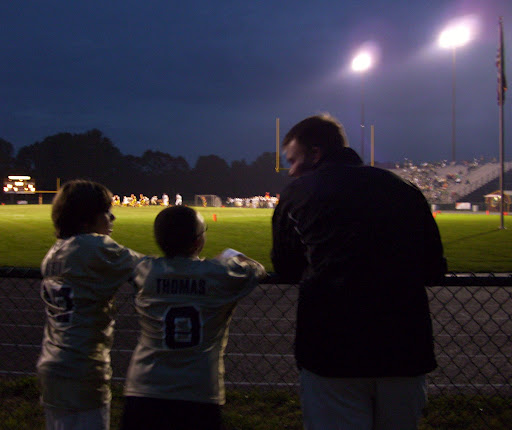
It’s High School Football season… The smell of fall hinting in the air and an opportunity for young men to play a kids game under Friday Night Lights. Play tonight with passion and like it’s the last game of your life. It will go fast so enjoy every moment, every play, and every opportunity to be a great teammate. Ma

ke your coach proud with your play on the field, and your parents prouder with your celebration off it. High five the fans, listen to the band, get lost in the National Anthem and when the ball is kicked, play the game the way it was meant to be played.

Commitment Issues???

Recently friend and colleague Dr. Chris Stankovich wrote about athletic transferable skills an athlete learns from sports, and how those skills can be used in situations such as a classroom, a future career, and in life. Dr. Stankovich gave a few examples of these skills including: discipline, being a team player, motivation, goal setting, and I’d like to add commitment.

We’ve all been on some type of team in our life whether it be a sports team, a work team, a family, or just a group of friends. Think back to that team you were a part of and recall if there was a true sense of commitment not only to the team, but also to team excellence. Vince Lombardi said, “The quality of a person’s life is in direct proportion to their commitment to excellence, regardless of thier chosen field of endeavor.” Lombardi had a way with words that still echoes in every football coaches office in this country. Football coaches are notorious for one-liners and repeating slogans handed down from the generations… It’s not necessarily that current coaches do not have creativity or originality, rather the slogans and beliefs of the Vince Lombardi’s of the world were simple and believable, and maybe best described as motivational. I think Lombardi’s messages and certainly this particular quote resonates deeper than simply the locker room. The commitment that Lombardi is referring to is the same transferable skill Dr. Stankovich tells us we can learn from sports and use in other aspects of our lives.

After watching this video and listening to the greatest football coach of all time describe the game of football in his own words, I think we can relate to what Dr. Stankovich meant by a transferable skill. It doesn’t matter what field one is in, if you go about your work with the passion and conviction that Vince Lombardi did, you’re a winner. Vince Lombardi breathed, lived, and died football. Football was more than a part of him; football was in his soul. His voice still gives me goosebumps when I hear him talk about the game of football because for a long time, that was how I felt. Luckily I found another passion after football because I don’t know how a person can stop something they feel that strongly about.

Lombardi mentions twice in his speech the importance of having a commitment to excellence… He mentions this because it’s the right way to represent your family, the right way to coach and play sports, and it’s the right way to do our jobs. While I don’t believe I’m as good at sports marketing as Lombardi was at coaching football… (yet) I do believe having a commitment to excellence is a sure way of becoming the best at whatever it is any of us aspire to be. Whether it be a football coach, a marketer, a ditch digger, or a parent; listen to Coach Lombardi talk about the fulfillment and reward of working as a team to accomplish a goal and try to incorporate that same sense of unity in what it is that you do… Individual accomplishment is great, but “Individual commitment to a group effort – that is what makes a team work, a company work, a society work, a civilization work.” – Vince Lombardi (1913-1970)

You Win with People


My fist real mentor was my college strength coach. Cal Dietz helped me become the athlete I became on a number of platforms. The first platform was the wooden one I did power-cleans on in the University of Findlay weight room. I had no idea what I was doing and quite frankly I was lucky I didn’t hurt myself. But Cal saw something in me that I didn’t see in myself. He coached me, encouraged me, and developed the self-confidence I was lacking that ultimately led me to the NFL.

I’ll never forget the embarrassing first day of college football. For those that don’t know what testing day is, it’s the first day of the season that coaches can see the progress an athlete made in the off-season by having the athletes demonstrate various tests of strength and explosiveness. Players are tested on various strength tests such as the bench press and vertical jump. My first day as a skinny college athlete I did the 225lb bench press test zero reps. Yup, dropped the weight on my chest and couldn’t lift it. Good thing I could catch a football because that was the only thing that was impressive about me as a freshman at the University of Findlay.

It wasn’t until the following off-season when Cal came to the University of Findlay that I aspired to be the best football player I could be. He started by teaching me how to eat. That’s right; brought me to the dining hall and filled my plate with whole grain bread, deli-style turkey piled high – and I mean high, lots of vegetables, and two glasses of milk. I followed in his shadow as he explained why he was putting the different foods on my tray. “When you finish this tray, go back through the line and get the same thing again. If you need some ice cream to fill in the cracks that’s ok.” –  I guess he wanted me to gain some weight. Which I did, the right way. Nutritious food with a little humor- I’ll always remember that moment as Cal’s first day of coaching me. From there it was all business in the weight room. I was always a good athlete because I was blessed with talent but Cal helped me become great.

I’ve had a lot of great coaches and teachers in my life but none quite like Cal. It takes a special person to find personal success in helping others achieve their goals. Cal certainly has his own goals, which is another skill I learned from him, but he always cared about his athletes reaching their full potential. In his mind, if his athletes weren’t reaching their full potential, he wasn’t doing his job to his fullest potential. He gave us everything he had everyday as our coach, and in return, we gave him everything we had. It was the epitome of team. And I loved being a part of it. He made me want to be better every time I was around him.

Cal will always be a dear friend and mentor. We talk about business ventures and philosophy when we have time and most recently we discussed the book Good to Great by Jim Collins. One of the themes in Collin’s book is having the right people in the right positions for your organization. Maybe it’s the competitive nature of the NFL in me that has influenced me, or possibly jaded me, but this philosophy is not just a suggestion for managers to consider. If we do not have the right people in the right positions, a company will never be great. Just as Cal was the right person to help me, corporations have to find the same “right” people to ensure greatness. People are every company’s greatest resource and I completely believe a happy employee is one whom is passionate. Find employees who have a passion for your business and listen to them. Develop them into what they want to be and they will give you everything they have for your business. You may not bench-press 420 lbs when its all over, but you will have won the right way, with the right people on your team. – Thanks Cal for inspiring me to be great.